
Engineering Blog & System Architecture Notes
In depth articles, benchmarks, and postmortems on high concurrency backends, custom network protocols, WebRTC real time streaming, native AI systems and Web Development.
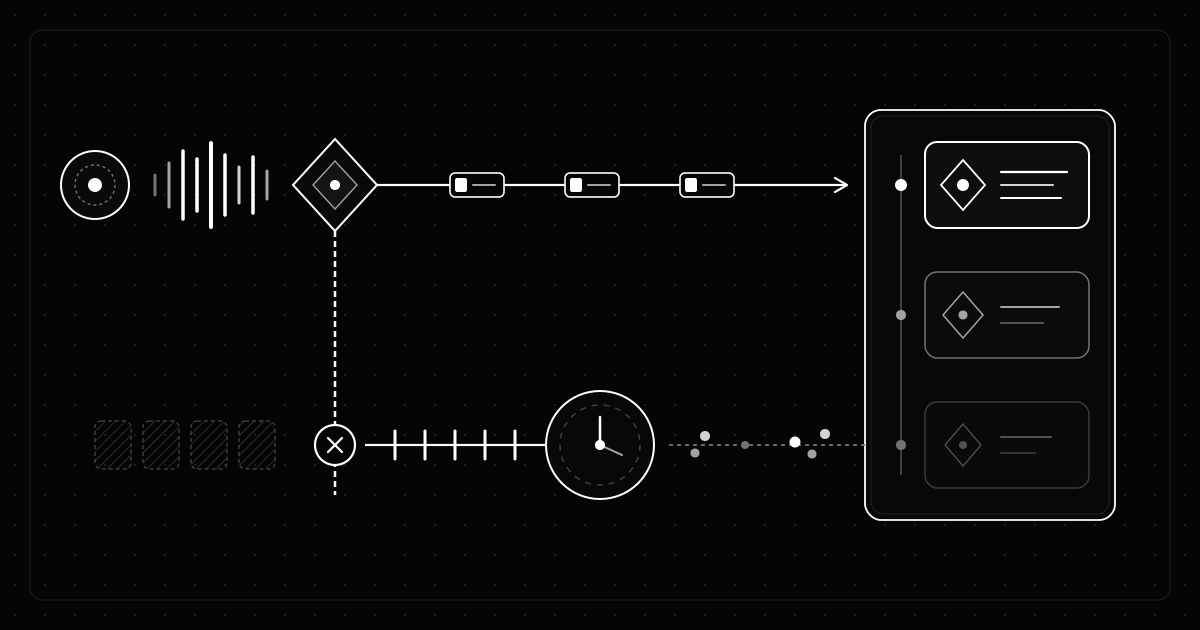
Real-Time AI Voice Pipelines over WebRTC SFU
Integrating conversational AI voice models such as Gemini Live or OpenAI Realtime API into live multi-party WebRTC calls typically forces engineering teams into a fragile architecture: spinning up headless browsers or heavy C++ GStreamer workers on the AI backend just to speak Opus over SRTP. When designing the AI gateway inside Slyber SFU Server, I eliminated server-side WebRTC duplication by introducing a lightweight, full-duplex binary WebSocket pipe (/ai/ws).
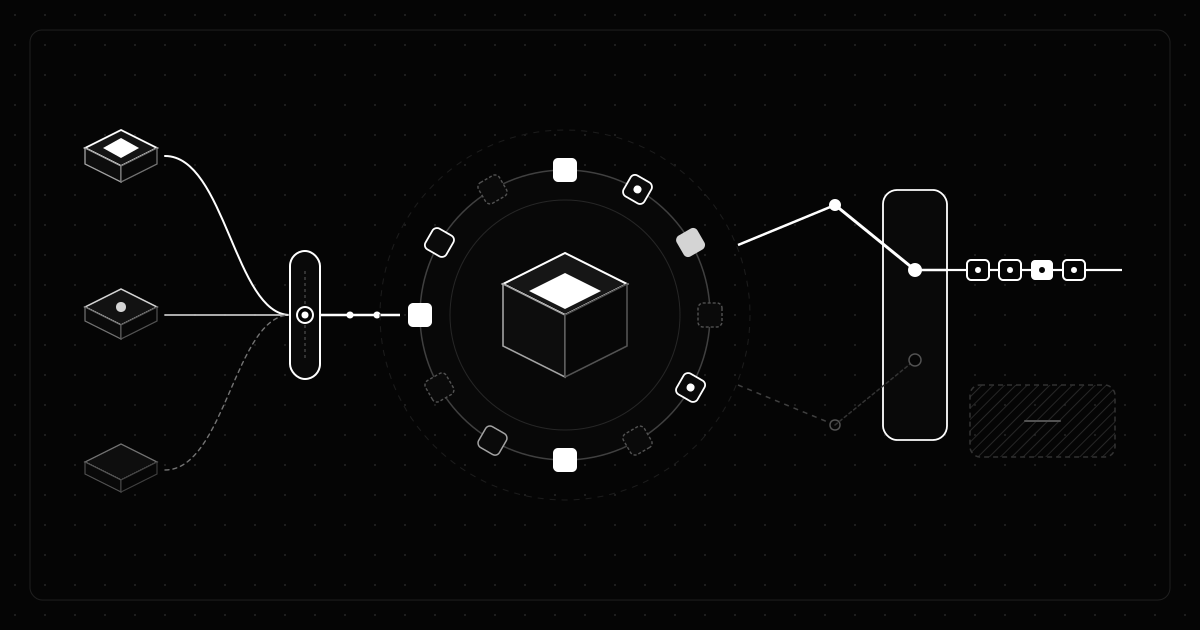
Zero-Allocation WebRTC SFU Architecture in Go
Building a basic WebRTC Selective Forwarding Unit (SFU) in Go using pion/webrtc/v4 takes a couple of days, but scaling it to thousands of concurrent rooms exposes severe bottlenecks: opening tens of thousands of ephemeral UDP ports breaks container networking, per-packet heap allocations trigger garbage collection pauses, and standard SDP renegotiation introduces multi-second black screens during peer switches.
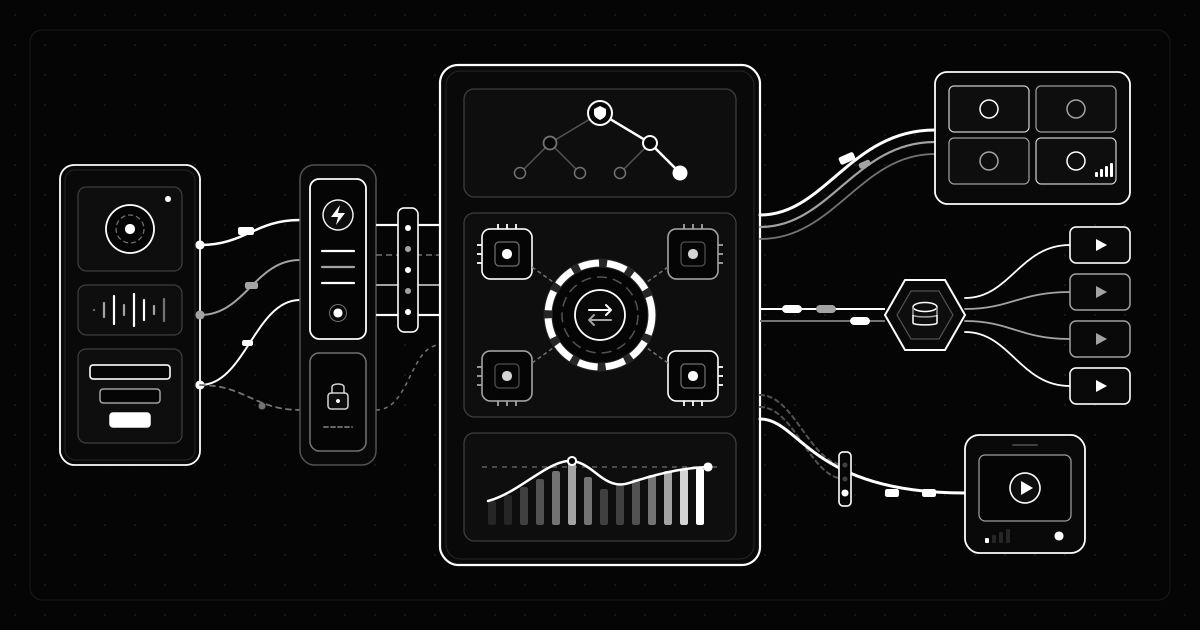
How an SFU Server Works
How a high-load SFU server works under the hood. Core isolation, SPSC queues, TWCC and GCC bandwidth estimation, Simulcast and SVC layers, WHIP gateways, and the MoQ stack.
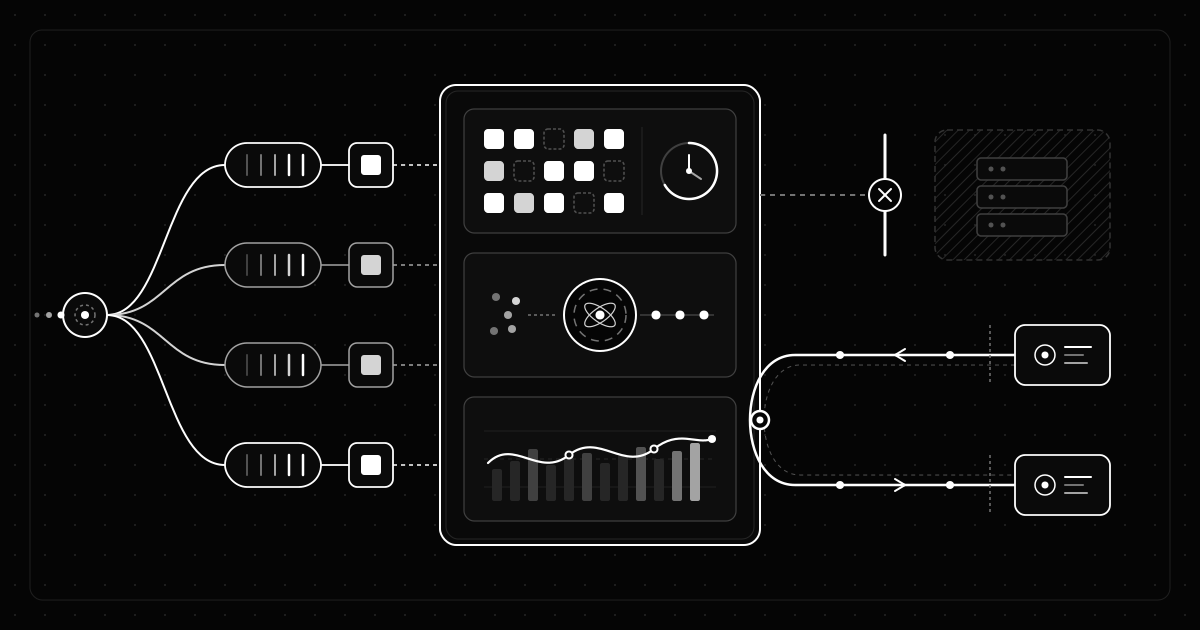
Slyber TURN Server Architecture
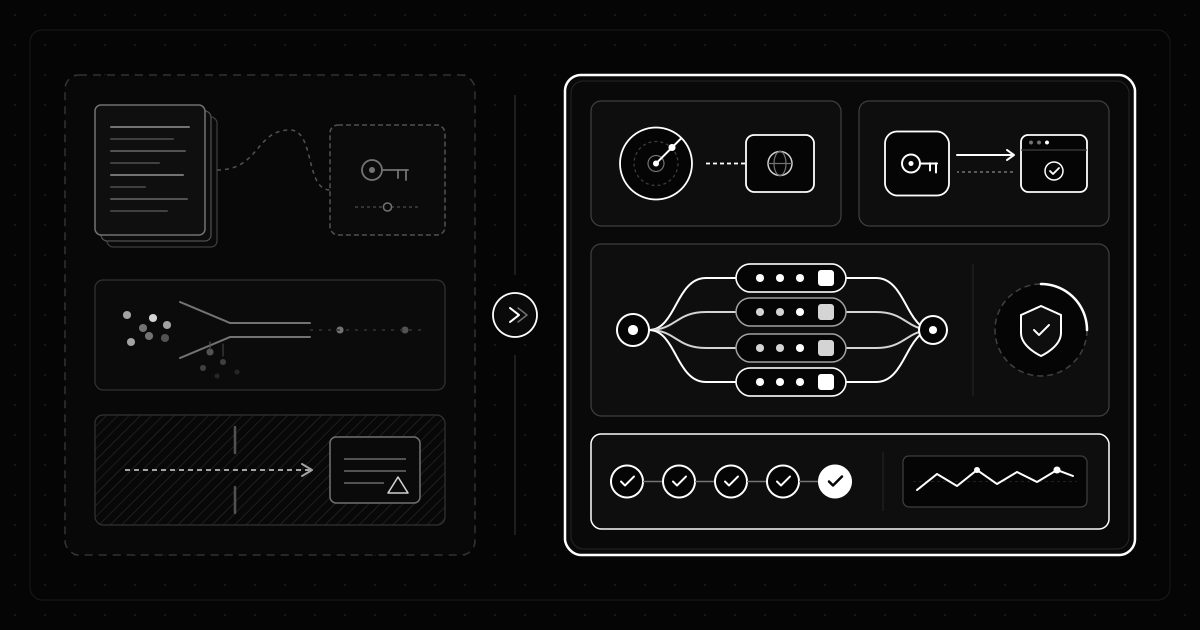
You can write a basic STUN and TURN server in Go using the pion/turn/v4 library in a single evening with just a hundred lines of code. However, as soon as such a prototype hits a production server with hundreds of concurrent media streams, systemic issues surface: a single UDP socket queue hits Linux kernel lock contention, mobile clients switching networks clog the port pool with dead allocations, and an open relay becomes a target for scanning the internal cloud network.
Why I Replaced Legacy Coturn for My TURN Server
When you launch a WebRTC project on a local network or test calls between two home routers, a direct connection via STUN works flawlessly. The problems start in production. Around 15 to 20 percent of users are behind NAT, carrier-grade CGNAT on mobile networks, or strict corporate firewalls. Without a reliable relay server (TURN), these clients stare at an endless connecting screen and leave.
Everything You Need to Know About IPv4, IPv6, Dual Stack, DNS64, and NAT64
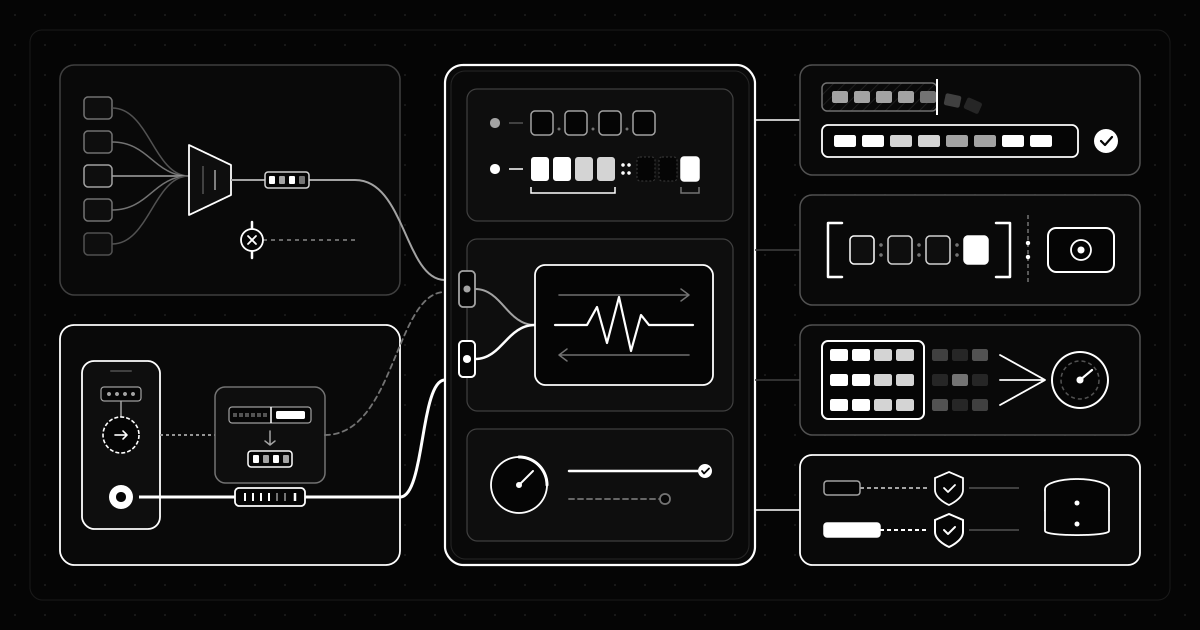
A clear, theory light breakdown of networking technologies for web developers. Starting from scratch, we cover the difference between public and private IP addresses, how Dual Stack, DNS64, NAT64, and 464XLAT work in mobile networks, why Cloudflare throws an error when adding an IPv6 address from Hetzner, and how to properly configure your database, rate limits, and server firewall.
Subscribe to new articles & architecture notes
Get notified when I publish new benchmarks, high-load Go patterns, WebRTC internals, or open-source releases. No spam strictly engineering content.
You are subscribed!
Your email has been added to the engineering dispatch list.